HIPAA-compliant cloud collaboration with Tresorit
Organizations handling protected health information (PHI) must meet strict data protection requirements under HIPAA.
Tresorit provides secure cloud storage and collaboration designed to support HIPAA-aligned data protection practices.
This page explains how Tresorit supports HIPAA compliance and how its security model protects sensitive healthcare data in practice.

What HIPAA requires in practice
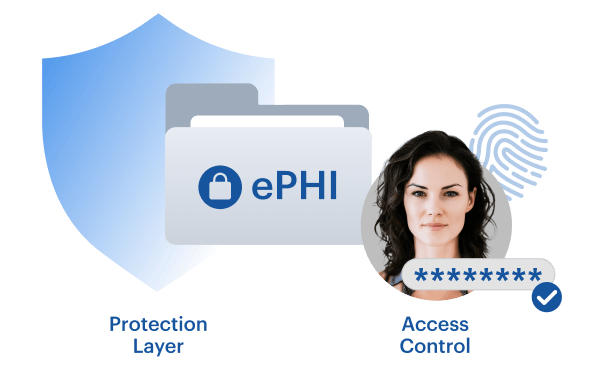
HIPAA defines safeguards for the protection of electronic protected health information (ePHI). These safeguards focus on confidentiality, integrity, availability, and controlled access to sensitive healthcare data. These principles align closely with Tresorit’s security architecture, which is designed to help organizations safeguard sensitive information.
Covered entities, business associates, and Tresorit’s role
Under HIPAA, healthcare organizations act either as covered entities or business associates. Tresorit is a technology provider and can act as a business associate when needed.
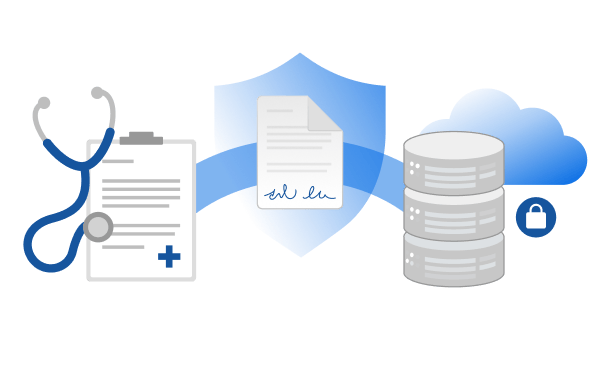
While Tresorit ensures data is processed securely according to agreements and instructions, customers are ultimately responsible for how protected health information (PHI) is used and managed. A Business Associate Agreement (BAA) is available to formalize this relationship.
How Tresorit supports HIPAA requirements

Protection of ePHI through strong encryption

Access control defined and managed by customers

Secure storage and sharing of sensitive data

Audit-friendly handling of data access and permissions
Encryption and data protection model
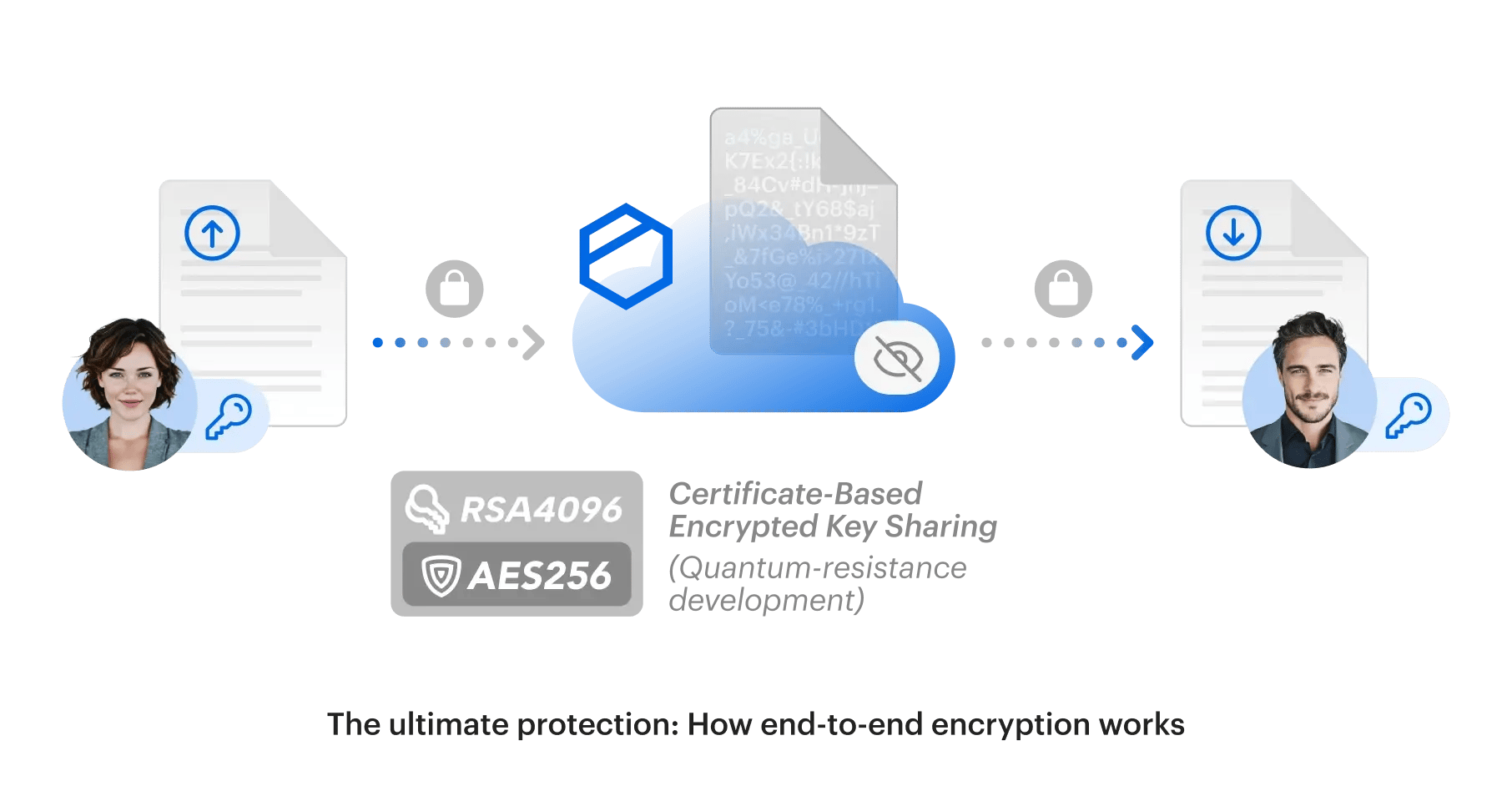
Tresorit encrypts files directly on the user’s device before they are stored in the cloud and ensures that access is limited to authorized users only. Files remain encrypted at all times and are never decrypted on Tresorit’s servers, meaning no unauthorized party — not even Tresorit — can access their content.
This approach significantly reduces the exposure of sensitive healthcare data and supports HIPAA’s data protection requirements. In the event of a security incident, encrypted data remains unreadable, helping organizations reduce the risk and impact associated with HIPAA breach notification obligations.
Encryption and data protection model
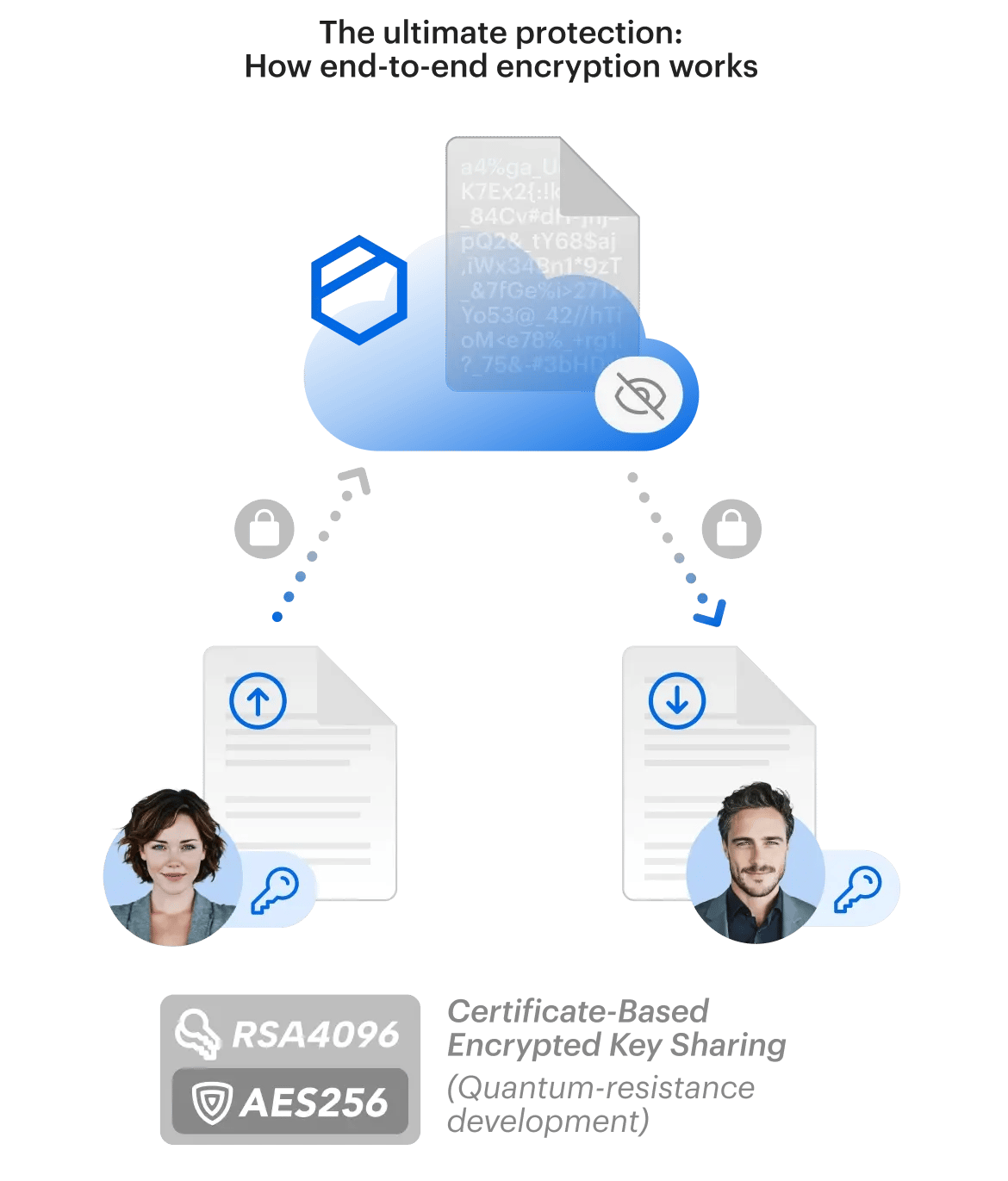
Tresorit encrypts files directly on the user’s device before they are stored in the cloud and ensures that access is limited to authorized users only. Files remain encrypted at all times and are never decrypted on Tresorit’s servers, meaning no unauthorized party — not even Tresorit — can access their content.
This approach significantly reduces the exposure of sensitive healthcare data and supports HIPAA’s data protection requirements. In the event of a security incident, encrypted data remains unreadable, helping organizations reduce the risk and impact associated with HIPAA breach notification obligations.
Business Associate Agreement (BAA)
Tresorit offers a Business Associate Agreement (BAA) for customers who require it. The BAA defines each party’s responsibilities for handling and protecting ePHI in line with HIPAA requirements and supports a clear, compliant working relationship.
Data access, availability, and continuity
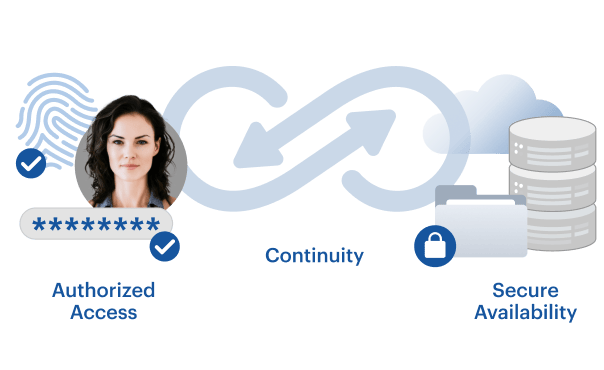
HIPAA requires that ePHI remains accessible when needed and protected against loss or unauthorized access. Tresorit supports these requirements through controlled access, reliable availability, and secure data handling practices.

HIPAA compliance through security and privacy by design
HIPAA sets clear expectations for protecting sensitive healthcare data. Tresorit supports these requirements through a security-first approach to cloud storage and collaboration, helping organizations protect ePHI, control access, and handle data responsibly.