2 min read



Every year, Verizon's Data Breach Investigations Report (DBIR) provides one of the most comprehensive snapshots of the global cyber threat landscape. The 2026 edition, based on more than 31,000 security incidents and over 22,000 confirmed data breaches across 145 countries, reveals a significant shift: attackers are changing how they break into organizations— and AI is accelerating the pace.
For businesses, the message is clear: cybersecurity fundamentals still matter, but they must be complemented with faster response times, stronger collaboration controls, and better protection of sensitive information.
1. Vulnerabilities have overtaken stolen credentials
For the first time in the report's 19-year history, exploiting software vulnerabilities (31%) surpassed stolen credentials as the most common initial access vector for data breaches. AI is helping attackers identify and weaponize newly disclosed vulnerabilities in hours instead of months, dramatically shrinking the time defenders have to respond.
What this means: Organizations need continuous vulnerability management, rapid patching, and layered security controls that assume some vulnerabilities will inevitably remain unpatched.
2. AI is changing both sides of cybersecurity
Generative AI is no longer just a productivity tool — it has become an operational advantage for cybercriminals. Attackers are using AI throughout the attack lifecycle, from reconnaissance and phishing to malware development and vulnerability discovery.
.png?width=1208&height=800&name=V1A-Blogpost-Verizon%20data%20breach%20report%20(3).png)
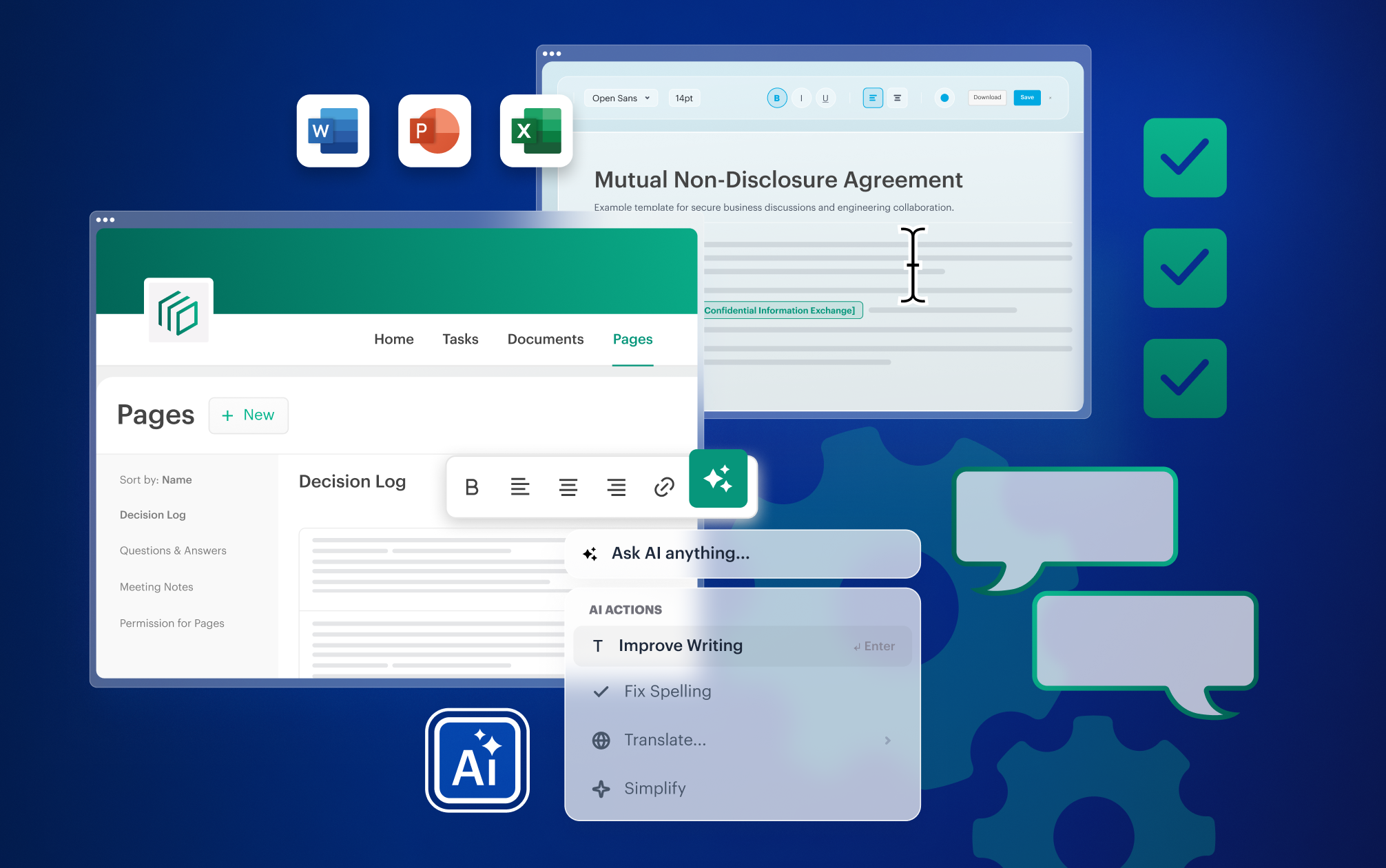
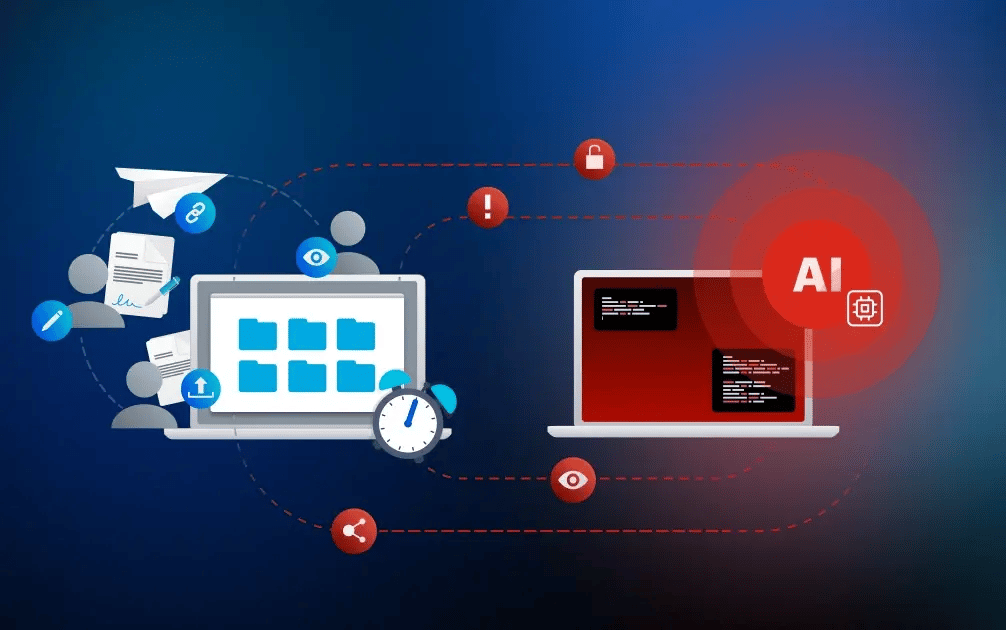
At the same time, organizations face another growing challenge: Shadow AI. Employees increasingly upload sensitive documents, source code, and business information into unauthorized AI tools, creating new data leakage risks. Verizon reports that employee use of unapproved AI tools has grown sharply, making Shadow AI one of the leading causes of accidental data exposure.
.png?width=1208&height=800&name=V1B-Blogpost-Verizon%20data%20breach%20report%20(3).png)
What this means: Businesses should implement clear AI governance policies and ensure sensitive files remain within secure, controlled environments instead of public AI services.
3. Third-party risk continues to grow
Nearly half of all breaches now involve third parties, with supply chain-related incidents increasing by 60% year over year. Organizations increasingly depend on vendors, contractors, consultants, and external partners — but every external collaboration introduces additional risk.
What this means: Secure collaboration should become a core security strategy. Organizations need encrypted file sharing and collaboration with granular access controls, activity tracking, and the ability to revoke access instantly when projects end.
4. Mobile has become a preferred attack surface
While traditional email phishing remains common, attackers are shifting toward mobile-first social engineering. According to Verizon, fraudulent SMS messages and voice calls now achieve significantly higher success rates than traditional email phishing.
What this means: Security awareness training must extend beyond email. Employees should be prepared to identify suspicious calls, text messages, QR codes, and messaging app scams.
5. Ransomware remains a persistent threat
Ransomware continues to appear in nearly half of confirmed breaches. The encouraging news is that more organizations are refusing to pay ransoms, reflecting stronger backup strategies and improved resilience. However, ransomware operators continue to evolve, combining data encryption with data theft and extortion.
.png?width=1208&height=800&name=V1C-Blogpost-Verizon%20data%20breach%20report%20(3).png)
What this means: Prevention alone isn't enough. Organizations should ensure critical data is encrypted, backed up, and recoverable while minimizing opportunities for attackers to access sensitive information in the first place.
What organizations should prioritize
The 2026 DBIR reinforces an important lesson: while attack techniques evolve, security fundamentals remain the strongest defense. Organizations should focus on:
- Accelerating vulnerability management and patching.
- Protecting sensitive data with zero knowledge, end-to-end encryption.
- Securing external collaboration with partners and suppliers.
- Controlling how employees use AI tools and preventing unauthorized data sharing.
- Applying least-privilege access and monitoring file activity.
- Preparing for incidents with tested backup and recovery plans.
As organizations increasingly work across distributed teams, partners, and AI-powered workflows, protecting sensitive files requires more than perimeter security. End-to-end encrypted collaboration, granular permission controls, secure external sharing, and complete visibility into document access help reduce risk — even when attackers exploit vulnerabilities elsewhere in the environment.
The 2026 DBIR reminds us that cyber resilience isn't about predicting every attack. It's about ensuring that when attackers find a way in, your most valuable information remains protected.
Share this article