2 min read


In many organizations, IT security assessments are seen as a necessary evil. Long before the final report is delivered, teams often struggle with time-consuming coordination, complex data exchanges across multiple channels, unclear version control, and sometimes even security risks. This puts IT consulting firms in a particularly challenging position.
The conclusion is clear: efficient, secure, and transparent project management is the key lever — not just for producing reports, but for enabling trustworthy collaboration.
Achieving this requires a shift in perspective: moving away from monotonous, time-intensive, and static assessments toward collaborative, efficient, and digital ways of working on equal footing.
Status quo: Control instead of collaboration
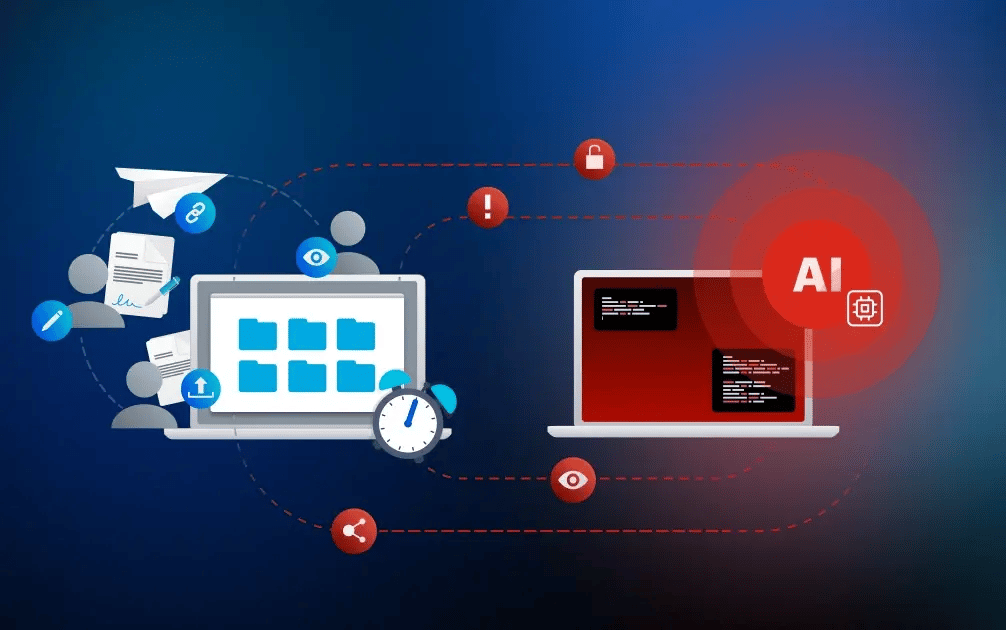
Many IT assessments still follow the same pattern: consultants share documents with clients via email or other channels, tasks between internal and external teams are assigned inconsistently, and clients and consultants are left to manually track changes across different versions. The result is an increased workload for everyone involved. At the same time, transparency and clarity are not always sufficient, which can lead to internal hesitation toward IT assessments.
It is therefore clear that this way of working must change — not only to efficiently meet growing regulatory requirements such as NIS2, but above all to be perceived as a trusted partner in the increasingly critical field of IT assessments.
Change 1: Structure instead of file chaos
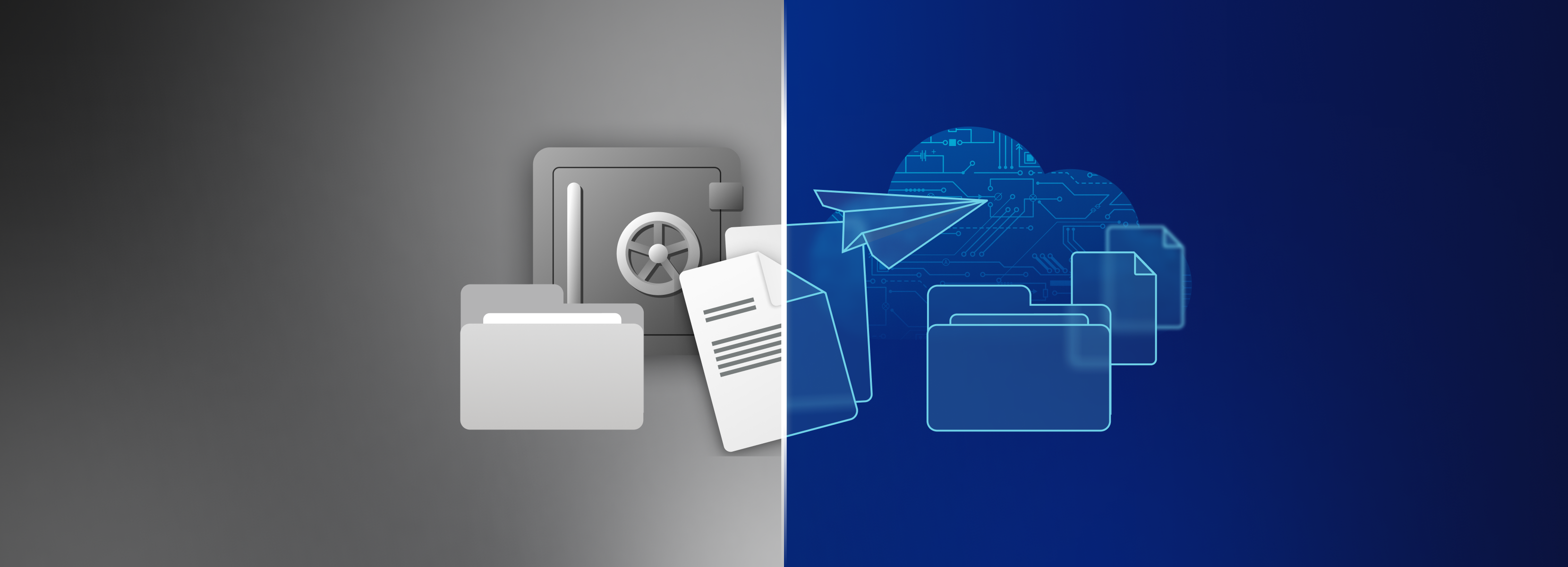
Many IT projects fail not due to a lack of technical expertise, but because of insufficient process clarity and weak process management — a finding supported by numerous studies, including research by Søren Lauesen on the causes of project failure. These same challenges often surface in IT assessments. Sensitive documents are stored insecurely across multiple folders, client access requires significant effort and may raise security concerns, feedback loops are poorly coordinated, and responsibilities are not clearly defined.
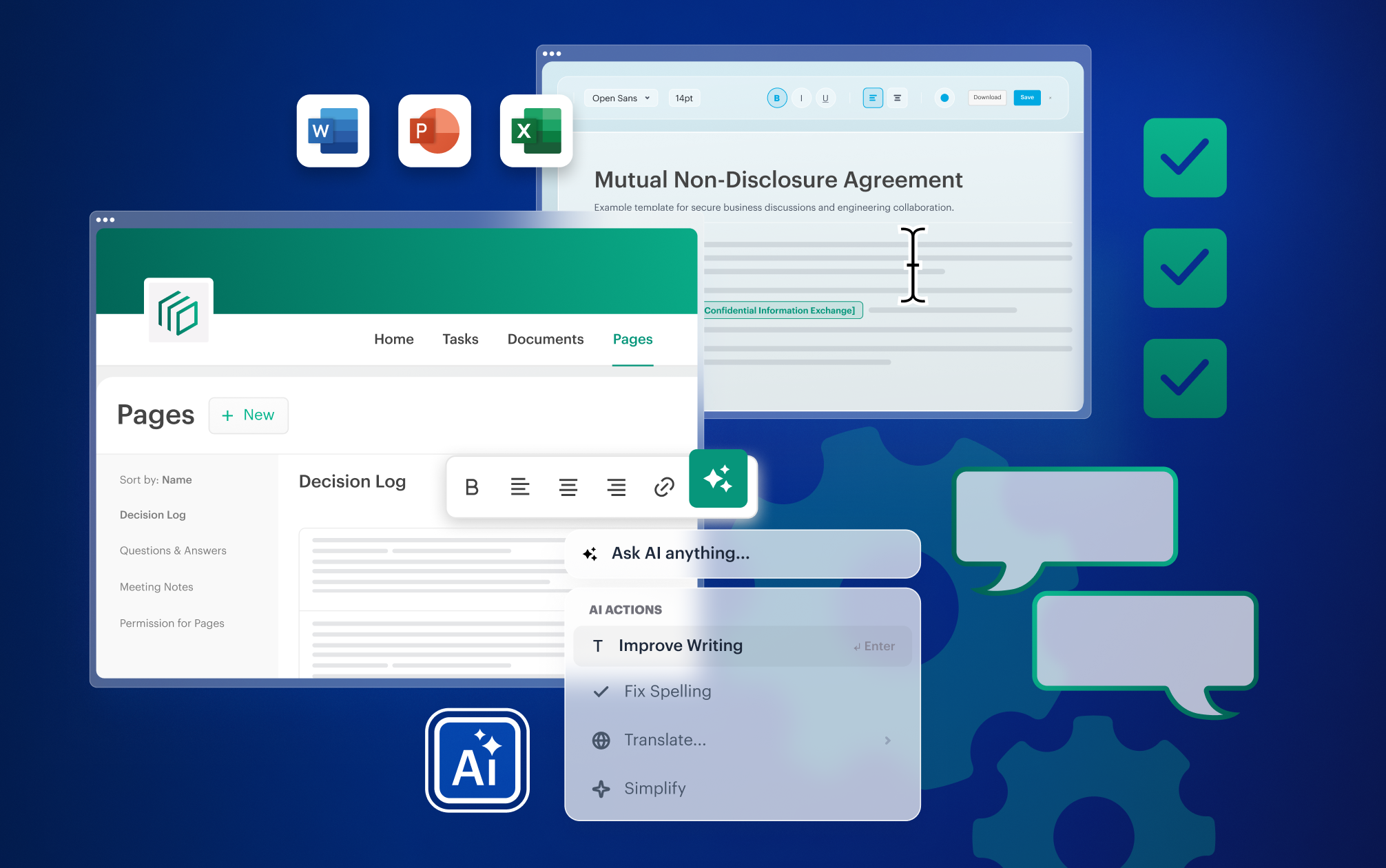
The solution is a central, encrypted environment with structured task assignment, access controls, and standardized templates — such as the IT Security Assessment Template from Tresorit Engage. In this setting, assessment processes can be clearly mapped, sensitive information exchanged securely, and audit steps documented transparently, both internally and externally.
Change 2: Process reliability instead of email ping-pong
What once required conference calls and long email threads can now be handled directly in a digital data room. With everything centralized in one place, tasks can be assigned, deadlines set, and progress tracked — increasing both the speed and transparency of IT assessments.
Within a project, tasks can be created and allocated, risk documents uploaded, and roles clearly defined. All participants can see in real time which steps have been completed and where clarification is still needed. Wiki-style pages within the data rooms capture all project-related information, making it easy for everyone to stay aligned. Activity logs provide a complete, room-level overview of what’s happening — from file access and views to task updates and activity history. These detailed, exportable audit records support compliance and help accelerate incident investigations.
As a result, project management becomes significantly simpler and more reliable.
Change 3: Trusted collaboration instead of working in silos
Trust is built not only through the final report, but throughout the entire process. The ability to clearly show when measures were discussed, documented, and finalized creates confidence for clients and auditors alike.
With tamper-proof records of all steps, logs, and access histories, organizations can meet external requirements while also establishing clear and reliable internal standards.
Project management as a differentiator in IT consulting
For security consultants, the way IT assessments are delivered is becoming a decisive competitive factor. Choosing the right tools is no longer just an operational consideration — it directly shapes client experience, efficiency, and trust. Consultants who invest in structured, secure, and collaborative assessment environments are able to work more transparently, reduce friction, and clearly demonstrate professionalism throughout the engagement.
Would you like to offer your clients IT assessments that deliver more than just reports — assessments that build trust? Then Engage is made for your organization.
Katalin Jakucs
View more articles from this author
Share this article